_edited.jpg)
Construction and design: Elevate Your Construction Projects
- Thinkwork Engineeringseviceltd
- Jan 24
- 4 min read

Updated: Apr 14
In the world of construction, the synergy between design and engineering is crucial for the success of any project. As the industry evolves, the need for innovative solutions that enhance efficiency, sustainability, and aesthetics has never been more pressing. This blog post will explore how integrating design and engineering can elevate your construction projects, providing practical insights and examples to inspire your next endeavor.

Understanding the Relationship Between Design and Engineering
Design and engineering are often seen as separate entities within the construction industry. However, they are deeply interconnected. Design focuses on the aesthetics and functionality of a structure, while engineering ensures that these designs are feasible and safe.
The Importance of Collaboration
Collaboration between designers and engineers is essential for several reasons:
Enhanced Creativity: When designers and engineers work together, they can brainstorm innovative solutions that neither could achieve alone.
Improved Efficiency: Early collaboration can identify potential issues before they arise, saving time and resources.
Sustainability: Joint efforts can lead to more sustainable designs that use materials efficiently and minimize waste.
Case Study: The Sydney Opera House
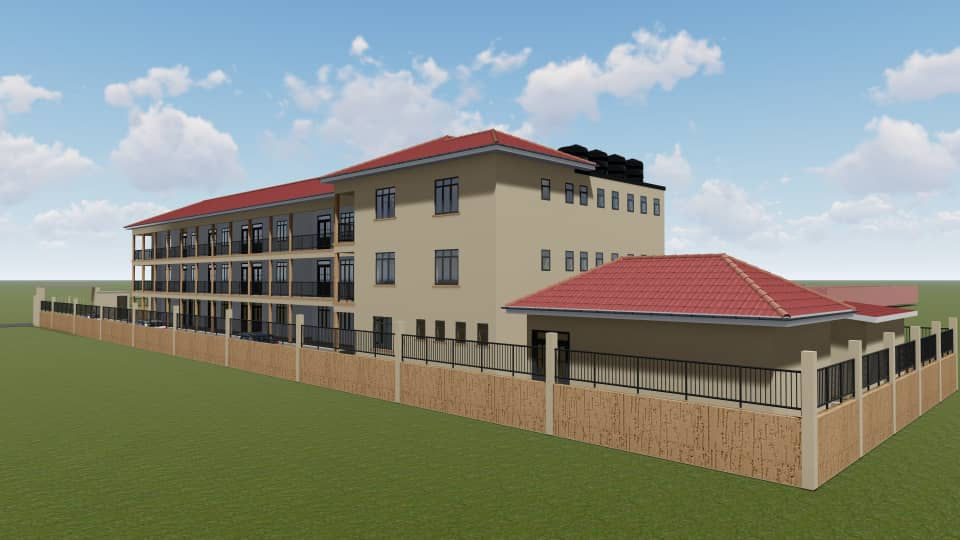
Case Study: The Sydney Opera House
The Sydney Opera House is a prime example of successful collaboration between design and engineering. The iconic structure, designed by Jørn Utzon, faced numerous engineering challenges due to its unique sail-like design. Engineers worked closely with Utzon to develop innovative solutions, such as the use of precast concrete shells, which allowed for the realization of the architect's vision while ensuring structural integrity.
Key Principles of Effective Design and Engineering Integration
To elevate your construction projects, consider the following principles that foster effective integration of design and engineering:
1. Embrace Technology
Modern technology plays a pivotal role in bridging the gap between design and engineering. Tools such as Building Information Modeling (BIM) allow for real-time collaboration and visualization of projects.
BIM Benefits:
- Visualization: Stakeholders can see a 3D model of the project, making it easier to understand design intent.
- Coordination: Different disciplines can work on the same model, reducing conflicts and errors.
- Data Management: BIM helps in managing project data efficiently, ensuring everyone is on the same page.
2. Prioritize User Experience
Design should always consider the end-user. Engaging with stakeholders early in the process can provide valuable insights into their needs and preferences.
User-Centric Design:
- Conduct surveys or focus groups to gather feedback.
- Create prototypes or mock-ups to visualize the end product.
3. Focus on Sustainability
Sustainable design is no longer optional; it is a necessity. Engineers and designers must work together to create buildings that are not only beautiful but also environmentally responsible.
Sustainable Practices:
- Use renewable materials and energy-efficient systems.
- Implement water conservation strategies and green roofs.
4. Foster a Culture of Innovation
Encouraging a culture of innovation within your team can lead to groundbreaking ideas and solutions.
Innovation Strategies:
- Host brainstorming sessions where all ideas are welcomed.
- Provide training and resources for team members to explore new technologies and methods.
Practical Steps to Integrate Design and Engineering
To effectively integrate design and engineering in your construction projects, follow these practical steps:
Step 1: Establish Clear Communication Channels
Effective communication is the backbone of successful collaboration. Establish regular meetings and updates to ensure everyone is aligned.
Tools for Communication:
- Project management software (e.g., Trello, Asana) to track progress.
- Instant messaging platforms (e.g., Slack) for quick discussions.
Step 2: Create Interdisciplinary Teams
Form teams that include both designers and engineers from the outset. This ensures that all perspectives are considered throughout the project lifecycle.
Team Composition:
- Include architects, structural engineers, mechanical engineers, and landscape designers.
- Encourage diversity in skill sets and backgrounds for a richer pool of ideas.

Step 3: Implement Iterative Design Processes
Adopt an iterative approach to design and engineering, allowing for continuous feedback and improvements.
Iterative Process Benefits:
- Early detection of issues reduces costly changes later.
- Flexibility to adapt to new ideas and technologies.
Step 4: Celebrate Successes and Learn from Failures
Recognizing achievements and analyzing setbacks can foster a positive environment for growth and learning.
Celebration Ideas:
- Host team lunches or recognition events for milestones achieved.
- Conduct post-project reviews to discuss what worked and what didn’t.
Real-World Examples of Integrated Design and Engineering
Example 1: The High Line in New York City
The High Line is an elevated linear park built on a former railway line. The project exemplifies the integration of design and engineering, as landscape architects and structural engineers collaborated to transform an abandoned space into a vibrant public park.
Key Features:
- Innovative use of native plants to promote biodiversity.
- Structural reinforcements that preserved the original railway tracks.
Example 2: The Burj Khalifa in Dubai
As the tallest building in the world, the Burj Khalifa showcases the pinnacle of design and engineering collaboration. The project involved a team of architects and engineers who worked together to overcome significant challenges related to height and wind resistance.
Design Innovations:
- A unique Y-shaped floor plan that enhances stability.
- Advanced materials and construction techniques that support its towering height.
The Future of Design and Engineering in Construction
As we look to the future, the integration of design and engineering will become even more critical. Emerging technologies such as artificial intelligence, augmented reality, and advanced materials will reshape how we approach construction projects.
Embracing Change
To stay ahead in the industry, professionals must be willing to embrace change and adapt to new methodologies. Continuous education and training will be essential for teams to remain competitive.
Conclusion
The integration of design and engineering is not just a trend; it is a fundamental shift in how we approach construction projects. By fostering collaboration, embracing technology, and prioritizing sustainability, you can elevate your projects to new heights. Remember, the key to success lies in the synergy between creativity and technical expertise. As you embark on your next construction endeavor, consider how you can implement these principles to achieve outstanding results.
Take the first step today by assessing your current projects and identifying areas where design and engineering can work more closely together. The future of construction is bright, and with the right approach, you can be at the forefront of this exciting evolution.

Comments